The Importance Of Bee Care
Bee care, why we should all be doing it.
The Buzz About Our Buddies: Why Bee Care is More Important Than Ever
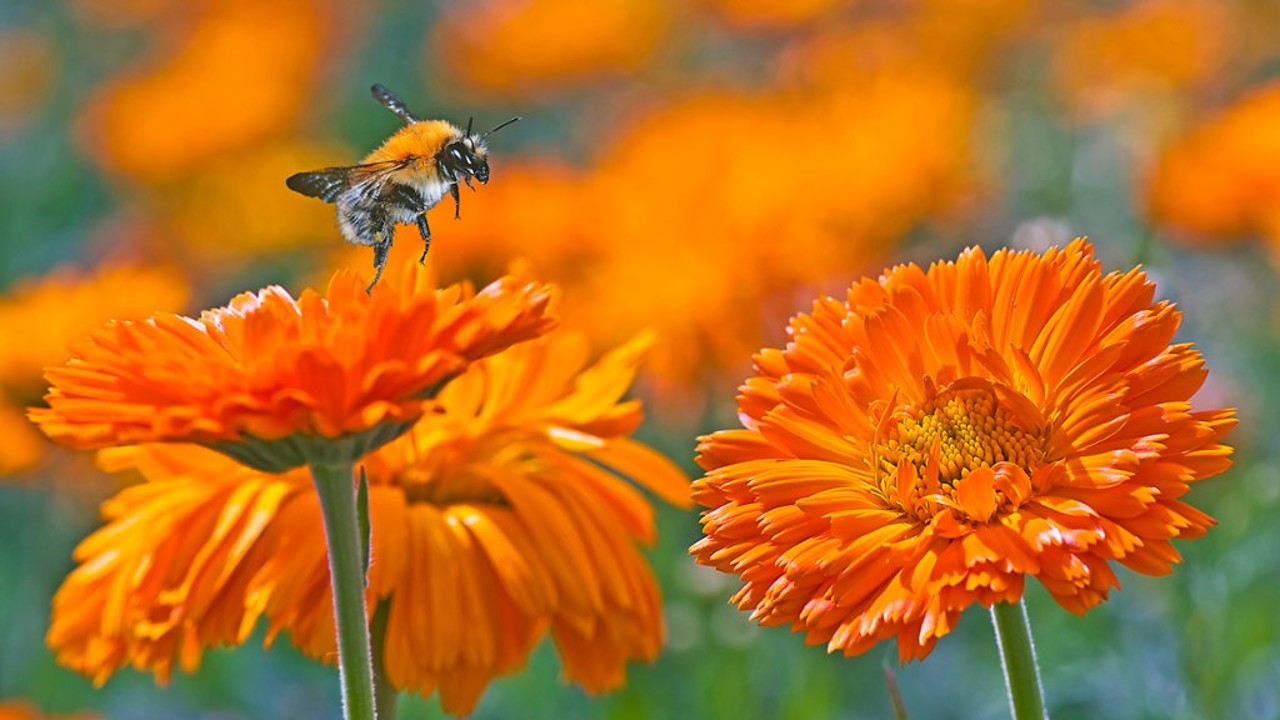 Imagine a world without the vibrant colours of blooming flowers without the sweetness of honey, and a significantly emptier plate at mealtimes. This is the stark future we face if we neglect our tiniest, yet most industrious, workers: bees.
Far from being just fuzzy insects that occasionally sting, bees are the silent architects of our global food system and vital guardians of our ecosystems.
All wild animal care is important, but the well-being of bees is inextricably linked to our own, making bee care and the welfare of all types of bees, not just an environmental concern, but a matter of human survival.
The Alarming Decline: Why Are Bees in Trouble?
Tragically, bee populations worldwide are facing unprecedented threats, leading to a phenomenon known as Colony Collapse Disorder (CCD) and other significant declines. The reasons are complex and interconnected:
* Habitat Loss and Degradation: The relentless expansion of monoculture agriculture, urban development, and the disappearance of wild spaces have drastically reduced the availability of diverse flowering plants that bees need for food and nesting.
* Pesticide Use: Certain pesticides, particularly neonicotinoids, have been shown to be highly toxic to bees, impairing their navigation, immune systems, and reproductive capabilities, even at low doses.
* Climate Change: Shifting weather patterns, extreme temperatures, and changes in flowering times can disrupt bee foraging and breeding cycles.
* Pests and Diseases: Parasites like the Varroa destructor mite and various bee diseases weaken colonies and make them more susceptible to other stressors.
* Lack of Nutritional Diversity: Monoculture farming often means bees have access to only one type of flower for extended periods, leading to a lack of essential nutrients.
What Can We Do to Help Our Buzzing Friends?
The good news is that we are not powerless in the face of this crisis. Every individual can contribute to bee care protecting and supporting bee populations.
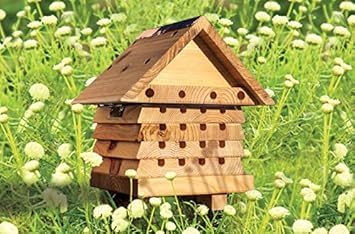
* Plant a Bee-Friendly Garden: A simple bee house or even a small balcony or garden can become a haven for bees. Choose a variety of native plants that flower at different times of the year, providing a continuous food source. Think lavender, sunflowers, coneflowers, and herbs like mint and thyme.
* Avoid Pesticides: Opt for organic gardening practices and steer clear of insecticides, herbicides, and fungicides, especially those known to harm bees. If treatment is absolutely necessary, choose bee-safe alternatives and apply them responsibly, avoiding flowering plants and times when bees are most active.
* Provide Water Sources: Bees need water, especially during hot weather. A shallow dish with pebbles or marbles at the bottom for them to land on can be a lifesaver.
* Support Local Beekeepers and Sustainable Agriculture: Purchase honey and other bee products from local beekeepers who practice sustainable methods. Support farmers who use bee-friendly practices and advocate for policies that protect pollinators.
* Educate Yourself and Others: Spread the word about the importance of bee care. Share information with friends, family, and your community about the challenges they face and how we can help.
* Reduce Lawn Areas: Large expanses of manicured lawns offer little to no food for bees. Consider replacing some of your lawn with bee-friendly flowers or meadows.
* Leave a Little Wildness: Don’t be too quick to tidy up your garden. Consider bee care by leaving bare patches of soil that can be nesting sites for solitary bees, and fallen leaves can offer overwintering habitats for some species.